Key Developments in Immigration Policy
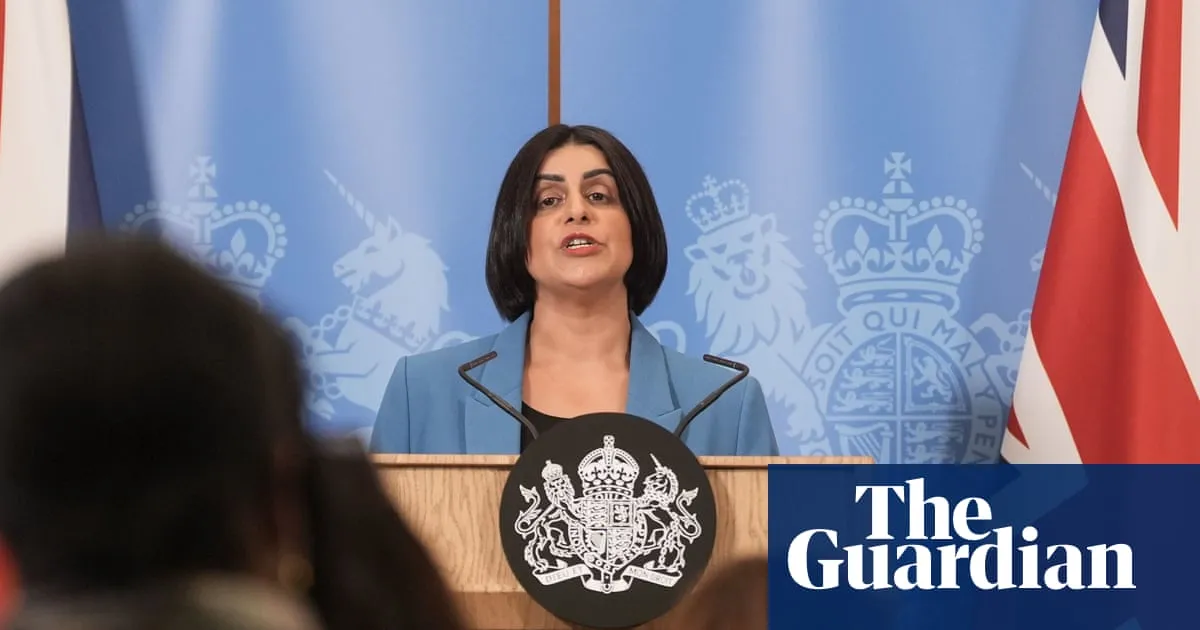
On March 5, 2026, Shabana Mahmood, a prominent figure in the Labour Party, unveiled a series of proposed changes to the UK’s immigration system. This announcement comes at a time when the immigration system has faced immense pressure due to rising numbers of asylum seekers and public dissatisfaction. Mahmood’s plans include significant alterations, such as the end of permanent refugee status and a new approach to handling asylum seekers who break the law.
Details of the Proposed Changes
Among the key elements of Mahmood’s proposals is the removal of government support for asylum seekers found to be in violation of the law. Additionally, a pilot project will offer financial incentives to families whose asylum claims have been rejected, providing up to £40,000 to leave the UK voluntarily. Families contacted as part of this initiative will have just seven days to decide whether to accept or refuse the offer, raising concerns about the pressure this places on vulnerable individuals.
Impact on Refugee Support
Mahmood emphasized that taxpayer-funded accommodation will now be reserved for those who have no right to work, a move aimed at restoring control at the border and countering the appeal of hard-right parties. This shift in policy has sparked significant debate within the Labour Party, with Tony Vaughan organizing a letter signed by 100 Labour MPs opposing the proposals. Critics argue that these measures could undermine the rights of refugees who have lived in the UK lawfully for many years.
Responses from Political Figures
Conservative leader Kemi Badenoch welcomed the extension of the time period before immigrants can apply for indefinite leave to remain, indicating a broader political consensus on tightening immigration controls. However, Mahmood’s intention to make it harder for some individuals to earn settled status in the UK has drawn sharp criticism from various refugee advocacy groups.
Criticism from Refugee Advocates
Refugee groups have voiced strong opposition to Mahmood’s plans, arguing that they lack evidence that making life harder for asylum seekers will deter people from attempting to enter the UK. Stella Creasy, a fellow Labour MP, highlighted the unfairness of repeatedly questioning victims of trafficking and civil war about their status. Imran Hussain, another critic, pointed out that giving families only seven days to make life-altering decisions, often without proper legal advice, risks creating chaos rather than control.
Future Implications
As the government prepares to implement these changes, the implications for those involved remain significant. Mahmood’s plans include a review of refugee status every 30 months, which could lead to further instability for many individuals. The government previously removed expanded child detention powers from the statute book in 2025, indicating a shift in policy direction that may now be reversed under Mahmood’s leadership.
Current State of Affairs
As of now, the proposals are still under discussion, and details remain unconfirmed. The Labour Party’s internal divisions over the immigration policy reflect broader societal tensions surrounding asylum and immigration in the UK. With approximately 200,000 people having crossed the Channel to the UK and around 100,000 currently living in asylum accommodation, the stakes are high for both the government and those seeking refuge.
Shabana Mahmood’s immigration plans represent a significant shift in the UK’s approach to asylum seekers, aiming to balance public concerns with humanitarian obligations. As the debate continues, the impact of these proposals on vulnerable populations and the political landscape will be closely monitored.