Daylight Saving Time in 2026
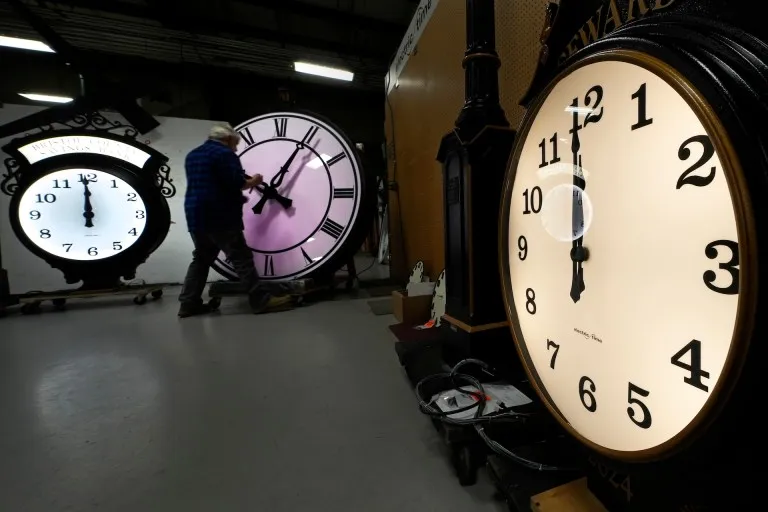
Daylight saving time begins on March 8, 2026, at 2 a.m. local time, when clocks across most of the United States will ‘spring forward’ one hour. This annual adjustment affects over 300 million people, potentially disrupting sleep patterns as they adapt to the time change.
Most states in the U.S. observe daylight saving time, with notable exceptions including Hawaii and most of Arizona. The Navajo Nation participates in daylight saving time, while U.S. territories such as American Samoa, Guam, and Puerto Rico do not.
Daylight saving time has been observed in the U.S. since 2007, with ongoing debates surrounding its necessity and health impacts. Critics argue that the time change can lead to sleep disruption and other health issues.
On the legislative front, the Daylight Act of 2026 was introduced to shift clocks by 30 minutes instead of the traditional one-hour change. However, this legislation has not yet been brought up for a vote in the House.
In a related development, British Columbia has decided to adopt daylight saving time year-round, ending the twice-yearly switch. This decision came after 93% of residents supported the change, citing benefits such as reduced disruptions for families and simplified scheduling.
The Sunshine Protection Act aims to make daylight saving time permanent, reflecting a growing sentiment among the public for a more stable timekeeping system. However, the future of this legislation remains uncertain.
As the clock change approaches, many will prepare for the adjustment, while others may continue to advocate for a permanent solution to the biannual time shift. Details remain unconfirmed regarding any further legislative changes before the 2026 transition.