Introduction
Norse Atlantic Airways, a fledgling airline launched in 2021, is rapidly gaining attention and reshaping the landscape of transatlantic air travel. With its focus on affordable fares and sustainable practices, the airline represents a significant evolution in international travel, making it a topic of growing importance and relevance in today’s market.
Company Background
Founded by former Norwegian Air Shuttle executives, Norse Atlantic Airways aims to provide low-cost direct flights between Europe and North America. The airline’s inaugural flight from Oslo to New York was celebrated in June 2022, marking its entry into a competitive sector dominated by legacy carriers. The airline’s strategy is built on offering competitive pricing while maintaining a high standard of service.
Current Operations
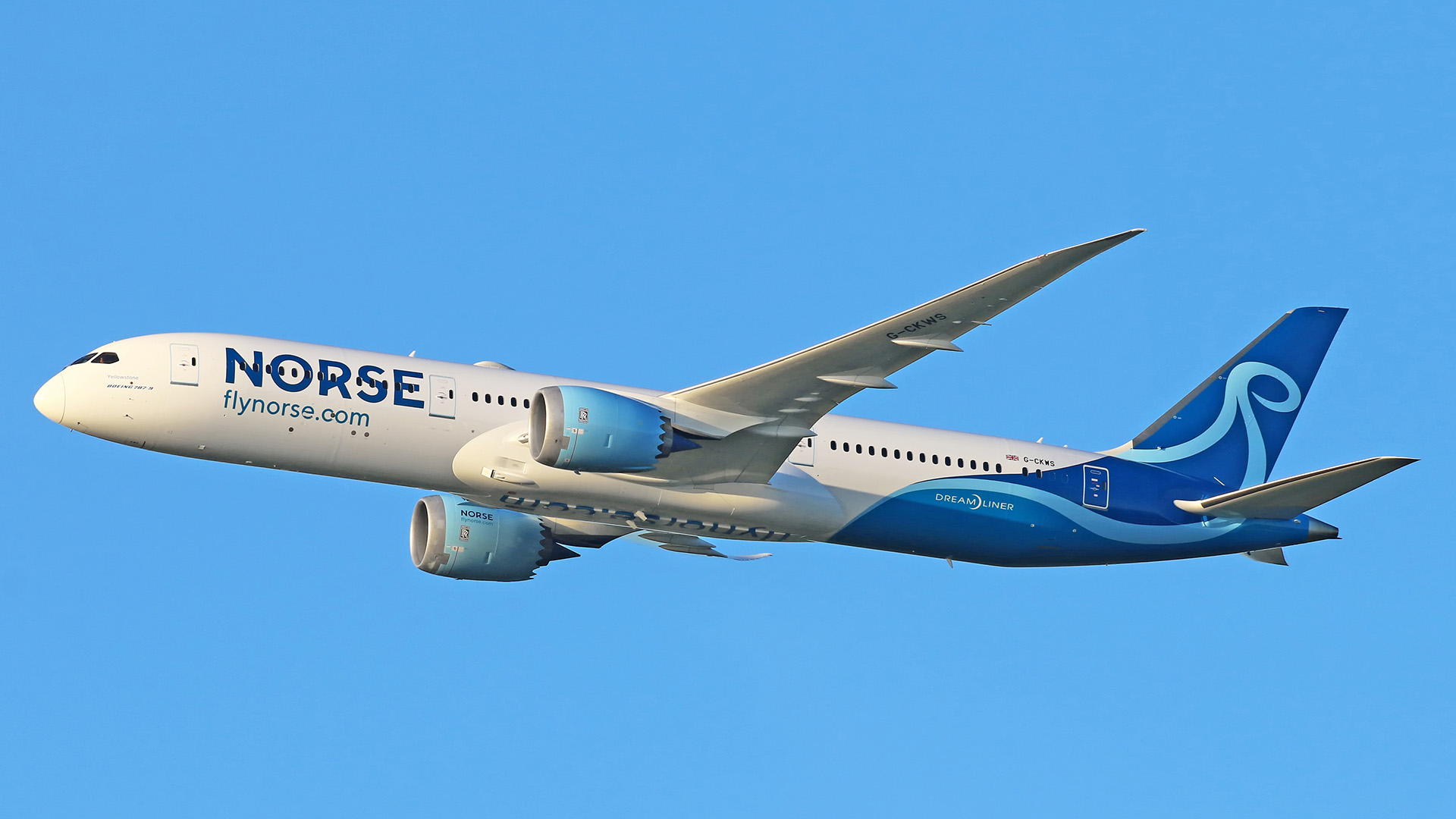
As of October 2023, Norse Atlantic Airways operates routes from its hub in Oslo to key cities in the United States, including New York, Los Angeles, and Miami. The airline has announced plans to expand its flight offerings to destinations such as Fort Lauderdale and San Francisco ahead of the busy holiday season. With a modern fleet of Boeing 787 Dreamliners, Norse aims to ensure that passengers travel in comfort while keeping an eye on environmental impact.
Sustainability Initiatives
Norse Atlantic Airways stands out for its commitment to sustainability. The airline has implemented various initiatives aimed at reducing its carbon footprint, such as using newer and more fuel-efficient aircraft and investing in carbon offset programmes. According to their estimates, the Dreamliner reduces fuel consumption by approximately 20% compared to older aircraft, thereby lowering emissions significantly. This commitment resonates with today’s environmentally conscious travellers, who prioritise sustainable travel options.
Market Impact and Future Outlook
The entry of Norse Atlantic Airways into the transatlantic market has intensified competition with both traditional airlines and other low-cost carriers. Analysts suggest that the airline’s emphasis on affordability could lead to lower fares across the board, benefiting consumers. Furthermore, as international air travel continues to rebound post-pandemic, Norse is well-positioned to capture market share, particularly amongst younger, budget-minded travellers.
Conclusion
Norse Atlantic Airways is not just another airline; it represents a new paradigm in transatlantic travel characterised by sustainability, affordability, and consumer choice. As more people seek out budget-friendly travel options, the airline’s focus on eco-friendliness and direct routes could make it a preferred choice for many. As the landscape of air travel continues to evolve, it will be interesting to see how Norse Atlantic Airways impacts passenger preferences and market dynamics in the coming years.