Introduction
Since its launch in 2008, Spotify has revolutionised the way music is consumed and distributed. As a leader in the music streaming space, Spotify has allowed millions of users to access a vast library of songs anytime and anywhere. This shift toward streaming has not only altered listeners’ behaviour but also significantly affected artists, record labels, and the overall music industry landscape.
Spotify’s Growth and Popularity
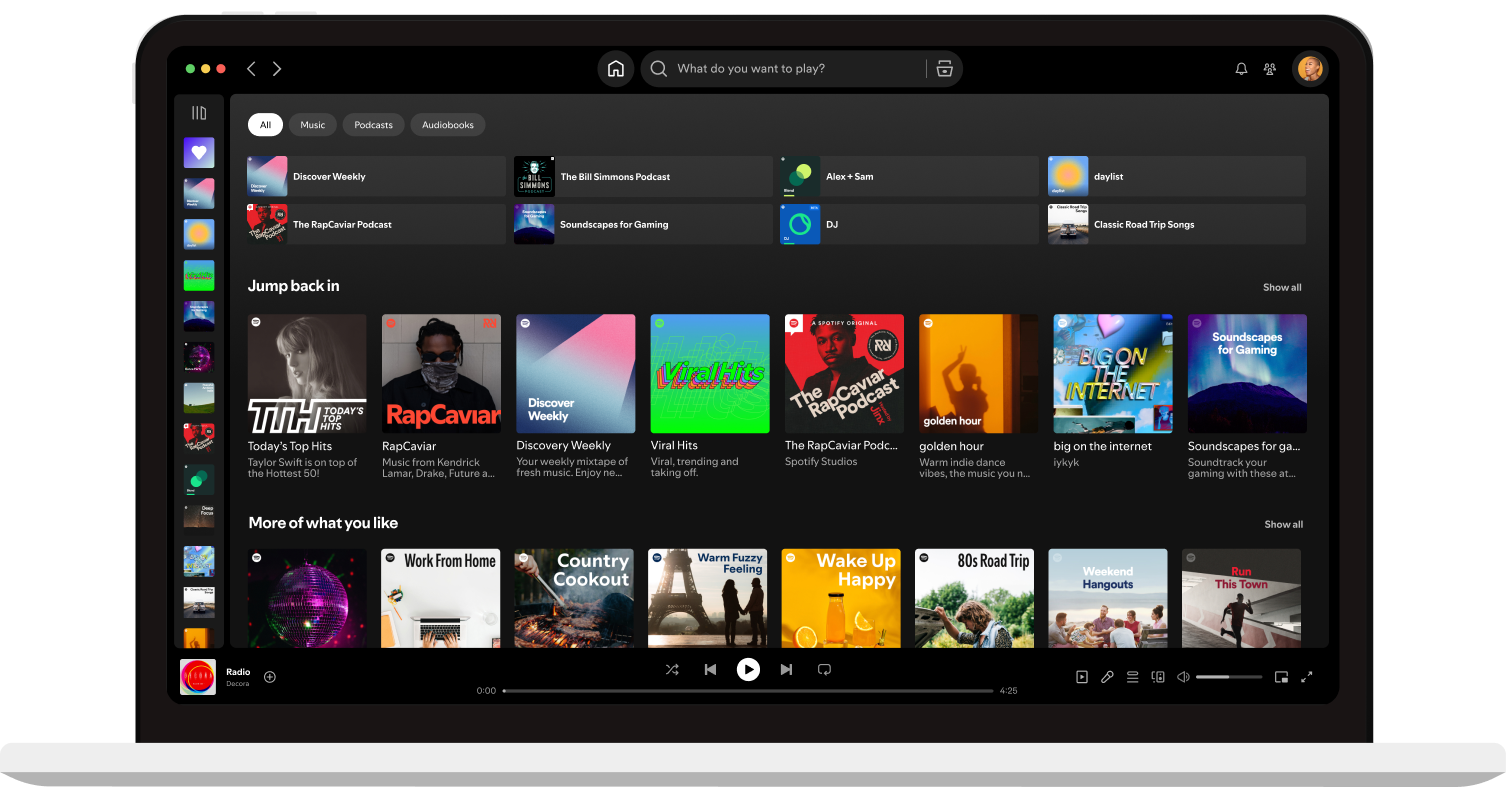
As of October 2023, Spotify boasts over 500 million monthly active users, with more than 200 million of them subscribing to its premium services. The platform’s unique algorithms and user-friendly interface have contributed to its widespread appeal. Spotify has invested heavily in personalised playlists and curated content, including the immensely popular ‘Discover Weekly’ and ‘Release Radar’, which keep users engaged and introduce them to new artists.
Impact on Artists and the Industry
While Spotify has provided an unprecedented platform for emerging artists to reach global audiences, the financial implications for creators have been a topic of heated debate. Many artists argue that the per-stream payout rates are insufficient, with estimates suggesting an average payout of less than a cent per stream. This has led to calls for reform and greater transparency regarding how royalties are distributed. In response, Spotify has initiated new programmes aimed at supporting artists, including the Spotify for Artists platform which gives musicians insights into their listeners and how to effectively promote their music.
Changes in Listening Habits
The rise of Spotify has also encouraged a shift in listening habits. Users now prefer playlists over albums, with many opting for algorithms that curate their listening experiences rather than traditional radio or album formats. Reports indicate that nearly 65% of tracks played on the platform are discovered through curated playlists. This trend has significant implications for how artists choose to release their music and interact with fans.
Conclusion
Spotify has undeniably changed the dynamics of the music industry, providing both opportunities and challenges for artists and listeners alike. As music consumption continues to evolve, the platform’s ability to adapt and reshape its business model will be crucial. Looking to the future, Spotify may need to balance its commercial interests with the needs of artists to ensure a sustainable and equitable ecosystem. The impact of this iconic streaming service is still unfolding, and its influence on music culture will likely persist for years to come.