Introduction
The Elizabeth Line, a significant addition to London’s extensive transport network, officially opened in May 2022. This innovative railway project aims to improve connectivity between various parts of London and the surrounding areas. With a projected capacity of 200 million passengers annually, the Elizabeth Line is set to play a crucial role in reducing congestion and enhancing travel efficiency across the capital.
Key Features and Developments
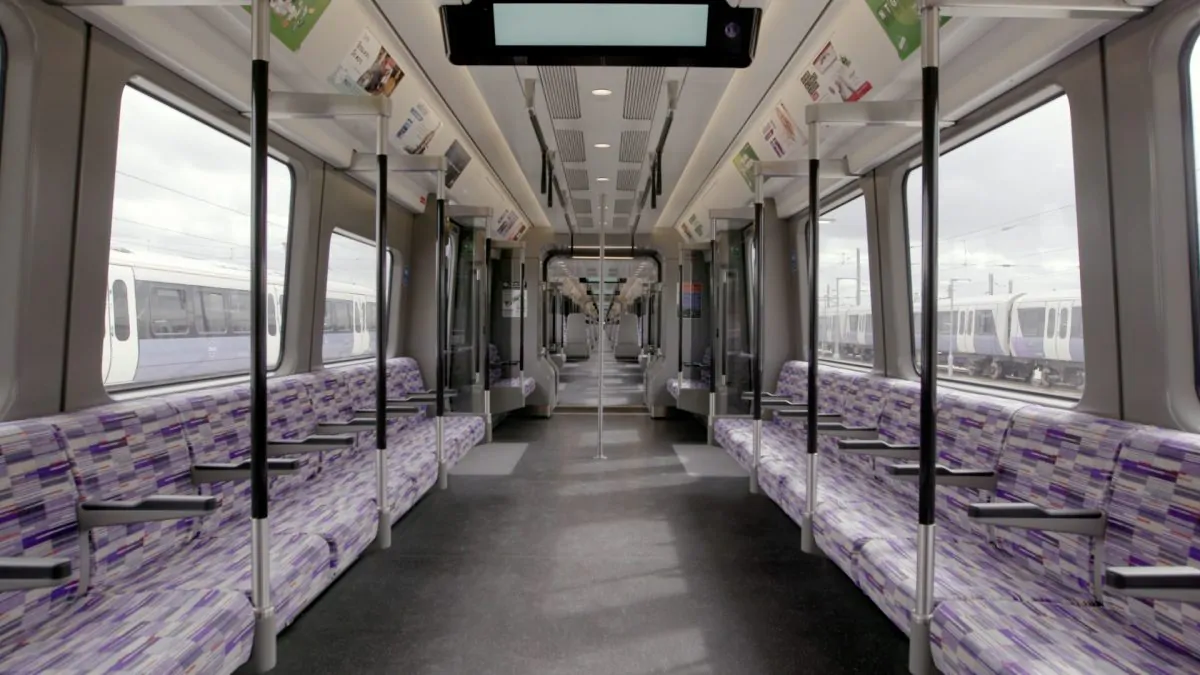
The Elizabeth Line stretches over 60 miles and connects Reading and Heathrow in the west to Abbey Wood and Shenfield in the east. It features 41 accessible stations, including major interchanges with existing Underground, rail, and transport services. Notably, the line is equipped with state-of-the-art trains designed to accommodate high volumes of riders, with services running at a frequency of up to every five minutes during peak times. This rail infrastructure is a vital component of London’s transport strategy, fostering economic growth and improving the commuting experience.
Recent Events and Usage
Since its launch, the Elizabeth Line has been met with enthusiasm by commuters, with reports of increased usage, particularly during rush hours. According to Transport for London (TfL), initial ridership figures indicated nearly 100,000 journeys on the first day of operation. The line not only eases travel within London but also encourages more sustainable transport choices, thereby assisting in the city’s efforts to reduce carbon emissions.
Future Implications and Conclusion
Looking ahead, the Elizabeth Line is expected to further enhance London’s connectivity and economic resilience. As more passengers opt for this modern and efficient mode of transport, it will likely lead to increased property values and developments around its stations. Moreover, the line may serve as a blueprint for future rail projects both locally and internationally. For Londoners and visitors alike, the Elizabeth Line represents a significant leap toward a more integrated transport system, ultimately shaping the capital’s urban landscape for years to come.