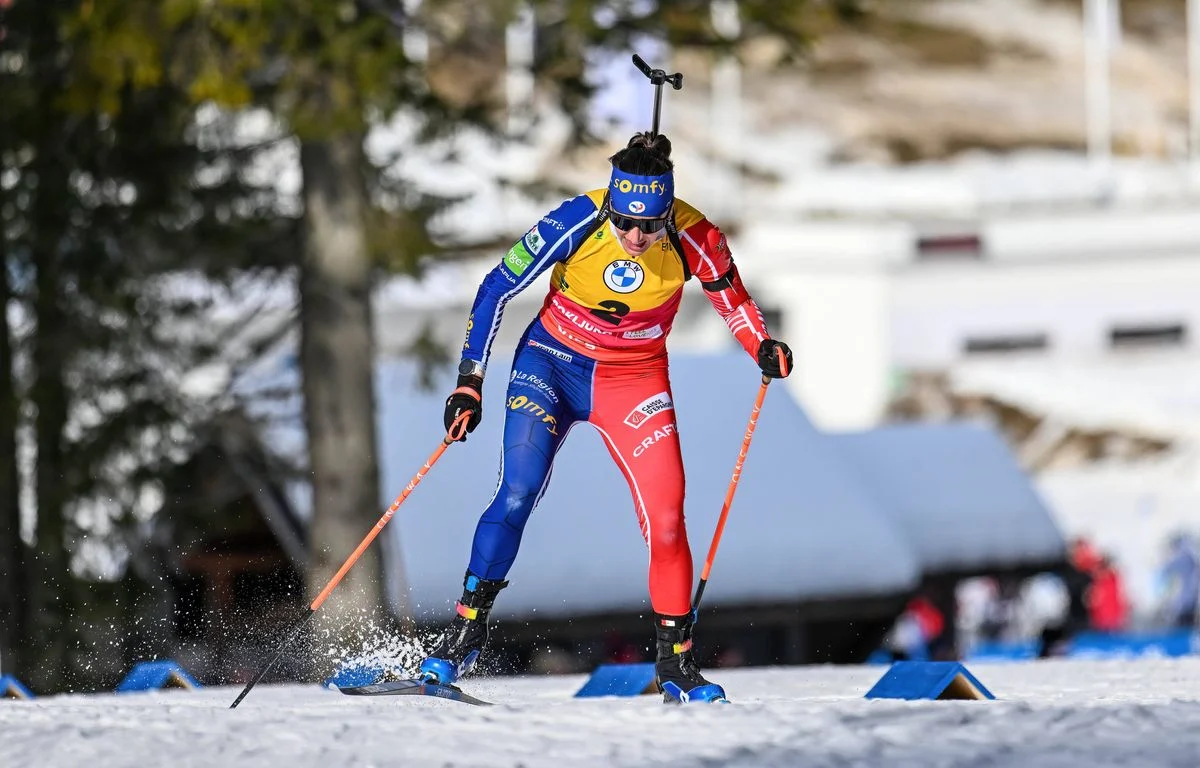
Introduction to Biathlon
Biathlon is a winter sport that uniquely combines cross-country skiing and rifle shooting. This challenging sport has gained significant popularity, particularly within the realms of the Winter Olympics and annual international competitions. It stands out not only for its demand for physical endurance but also for the precision required in shooting. With increasing viewership and participation, understanding biathlon’s history and its impact on winter sports culture is crucial.
The Evolution of Biathlon
The origins of biathlon can be traced back to hunting practices in Scandinavia, where the need to ski and shoot was essential for survival. The modern version gained formal recognition in the early 20th century, becoming a competitive sport during World War II. The International Biathlon Union (IBU) was formed in 1993, which continues to govern the sport and organise key events, including World Championships and World Cup circuits.
Structure of the Sport
A typical biathlon competition involves alternating between skiing and shooting, and events are usually raced on a loop course of varying distances. The typical format includes a sprint, pursuit, mass start, and relay races. Athletes must ski certain distances and stop at shooting ranges to hit designated targets; penalties are incurred for missed targets, typically resulting in extra skiing laps. Competitors face both physical and mental challenges, needing to maintain composure while managing fatigue and breath control when transitioning from skiing to shooting.
Current Events and Popularity
The biathlon world has seen a surge in interest in recent years, especially following standout performances from athletes like Norway’s Johannes Thingnes Bø and Germany’s Laura Dahlmeier, who have dominated in various championships. The 2022 Beijing Winter Olympics brought further exposure, with viewers captivated by the high-stakes competitions amidst challenging weather conditions. Biathlon’s blend of endurance and marksmanship not only attracts sports enthusiasts but also casual viewers eager for exciting winter sports action.
Conclusion: The Future of Biathlon
As biathlon continues to grow globally, its potential to inspire future generations of athletes and captivate fans is undeniable. The increasing investment in youth programmes and accessibility initiatives may broaden participation and interest in biathlon, thereby ensuring its place within the winter sports landscape for many years to come. Observers predict that this growing trend will enhance not only the competitiveness of the sport but also contribute to its overall cultural significance, making biathlon a key player on the international sports stage.