Introduction
Jimmy Lai, the founder of the pro-democracy media outlet Apple Daily, has become a symbol of the struggle for democracy in Hong Kong. His legal battle underscores the ongoing tensions between pro-democracy advocates and the Chinese government’s tightening grip over the region. Lai’s case not only highlights the challenges faced by activists but also raises significant questions about freedom of expression and the future of democratic movements in Hong Kong.
Current Legal Challenges
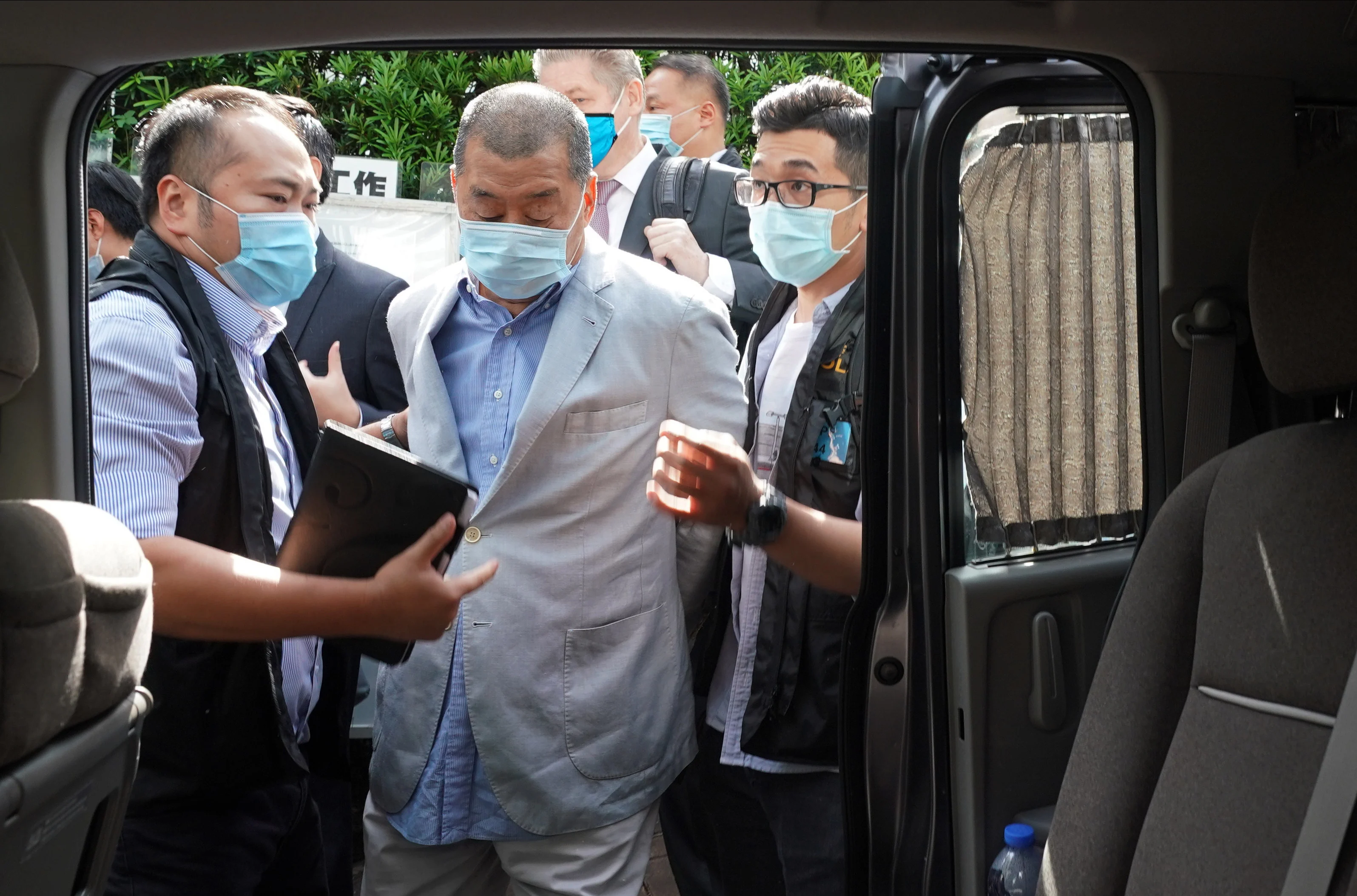
Lai has been detained since August 2020, facing multiple charges under the controversial National Security Law imposed by Beijing. These charges include collusion with foreign forces, which carries severe penalties. Despite the international community’s calls for his release, Hong Kong authorities have continued to detain him, using his case to deter other activists and journalists from speaking out.
Recently, Lai’s appeal against his convictions was heard, with his legal team arguing that the charges are politically motivated and violate international human rights principles. The outcome of this appeal is particularly significant as it could set a precedent for future cases involving freedom of speech and political dissent.
Importance to Hong Kong’s Democratic Movement
Jimmy Lai’s plight is emblematic of the broader struggle for democracy in Hong Kong, especially following the 2019 protests that erupted in response to a proposed extradition bill. His commitment to free journalism and activism inspires many within and outside of the region. Lai’s media outlets have been instrumental in providing coverage of protests and government actions that mainstream state-controlled media often overlook.
International reactions to Lai’s situation have been overwhelmingly supportive. Governments and human rights organisations worldwide view his detention as a violation of human rights and an example of the deteriorating state of freedoms in Hong Kong. This international scrutiny has raised awareness about the situation in Hong Kong, drawing attention to the need for robust support for democracy in the region.
Conclusion
The future of Jimmy Lai remains uncertain, but his case has significantly impacted the global view of Hong Kong’s struggle for autonomy and rights. As Lai’s legal battles continue, the international community watches closely, advocating for democratic freedoms. The outcome of these proceedings will not only affect Lai’s future but also the ongoing resistance against authoritarianism in Hong Kong. His legacy as a champion for democracy will likely inspire future generations, reminding them of the importance of freedom and the price of activism.