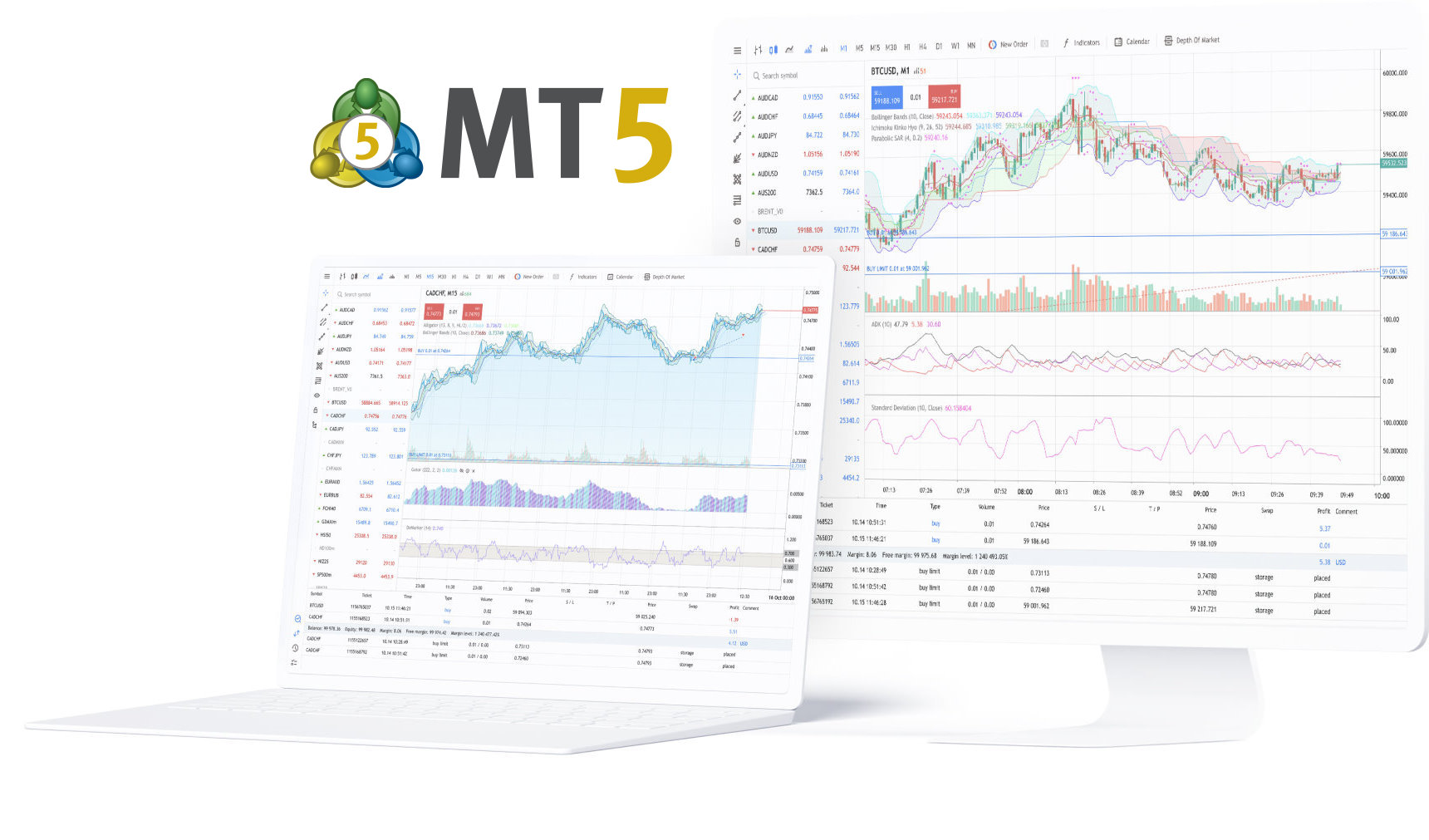
Introduction to Cryptocurrency Trading
In recent years, cryptocurrency trading has surged in popularity, drawing millions of investors into the realm of digital assets. With the advent of blockchain technology and decentralized currencies such as Bitcoin and Ethereum, cryptocurrency trading has transformed the traditional structures of finance. As the global economy continues to evolve, understanding this phenomenon is essential for both seasoned investors and newcomers alike.
Current Trends in Cryptocurrency Trading
Recent data indicates that the cryptocurrency market has experienced significant volatility in 2023. Following the bear market of 2022, cryptocurrencies began to regain value, with Bitcoin reaching a price of approximately £30,000. The rise of altcoins, particularly those linked to decentralised finance (DeFi) and non-fungible tokens (NFTs), has also garnered investor interest. Platforms such as Binance and Coinbase have reported a considerable increase in trading volumes as users look to capitalise on market fluctuations.
Regulatory Developments
As cryptocurrency trading becomes more mainstream, governments around the world are introducing regulations to provide clear frameworks for investors and exchanges. The UK’s Financial Conduct Authority (FCA) has been working to implement stringent rules to ensure investor protection and reduce fraud. Recent reports highlight that regulatory clarity is paving the way for institutional investors to enter the cryptocurrency space, which could lead to increased stability and legitimacy in the market.
Risks and Opportunities
While cryptocurrency trading presents lucrative opportunities, it is not without risks. Market volatility can lead to significant financial losses, particularly for inexperienced traders. Cybersecurity threats, including hacking incidents, remain a concern. Therefore, it is crucial for investors to conduct thorough research and consider risk management strategies. Moreover, educational resources and platforms have been developed to assist traders in making informed decisions, further contributing to the market’s development.
Conclusion: The Future of Cryptocurrency Trading
As we look towards the future, cryptocurrency trading appears poised for continued growth. The integration of technology, evolving regulations, and increasing public interest will likely shape its trajectory. For readers and investors, staying informed about market trends, regulatory changes, and innovative trading strategies will be vital in navigating the dynamic world of cryptocurrency trading. With the right knowledge and tools, the potential rewards can be substantial, making it an exciting arena for financial engagement.