Introduction
In an increasingly digital world, organisations are facing an array of security threats, making incident response plans essential. These structured approaches help businesses prepare for, respond to, and recover from incidents such as data breaches, cyber attacks, and natural disasters. The relevance of having a robust incident response plan cannot be overstated, as it not only aids in minimising damage but also ensures a swift recovery, thereby protecting both assets and reputation.
Current Events and Developments
Recent statistics indicate that cybercrime is expected to cost the world $10.5 trillion annually by 2025, up from $3 trillion in 2015. High-profile incidents, such as the ransomware attack on the Colonial Pipeline in May 2021, highlighted the need for effective incident response strategies. Post-incident analysis revealed that organisations without established plans often faced longer downtimes and increased financial losses.
Additionally, the growing importance of legislative measures, such as the General Data Protection Regulation (GDPR), requires businesses to not only develop incident response plans but also to continually update and test them. Many businesses have started conducting simulated cyber attack drills to ensure their teams are prepared for real-world scenarios, further underscoring the need for effective incident response strategies.
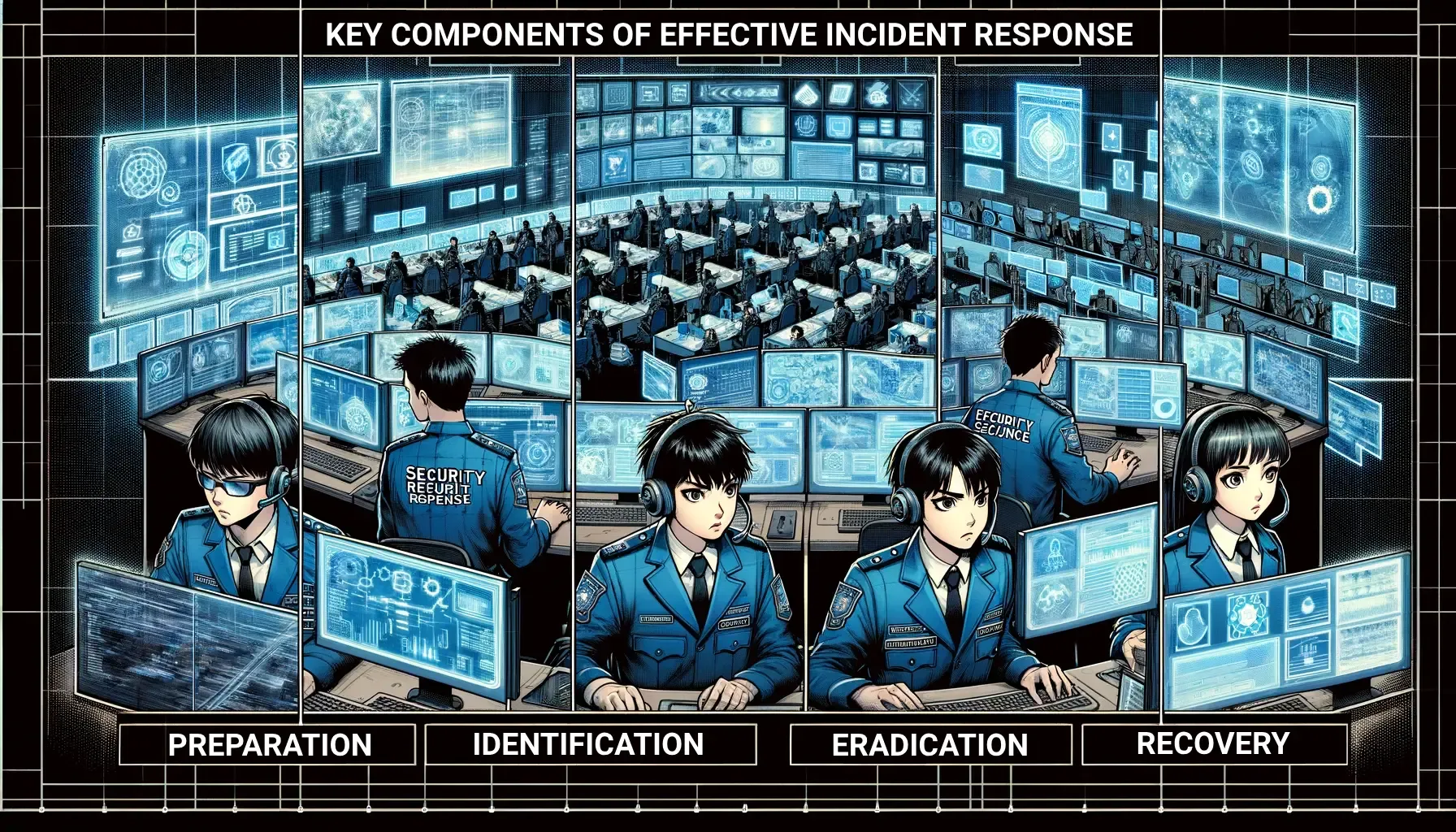
Key Components of an Effective Incident Response Plan
An effective incident response plan typically comprises several key components:
- Preparation: This involves training staff and ensuring that necessary tools are in place before an incident occurs.
- Identification: Quickly determining whether an incident has occurred and understanding its potential impact.
- Containment: Taking immediate steps to contain the breach and prevent further damage.
- Eradication: Identifying and eliminating the root cause of the incident.
- Recovery: Restoring and validating system functionality for business resumption.
- Lessons Learned: Conducting a post-incident review to address weaknesses and improve future responses.
Conclusion
As businesses continue to evolve in a technologically driven environment, the significance of incident response plans will only grow. With the capabilities of cyber threats becoming increasingly sophisticated, organisations must prioritise the development, testing, and refinement of their incident response plans to mitigate risks effectively. Implementing a strong plan not only safeguards an organisation’s resources but also enhances trust among stakeholders, ensuring long-term success and resilience against future incidents.