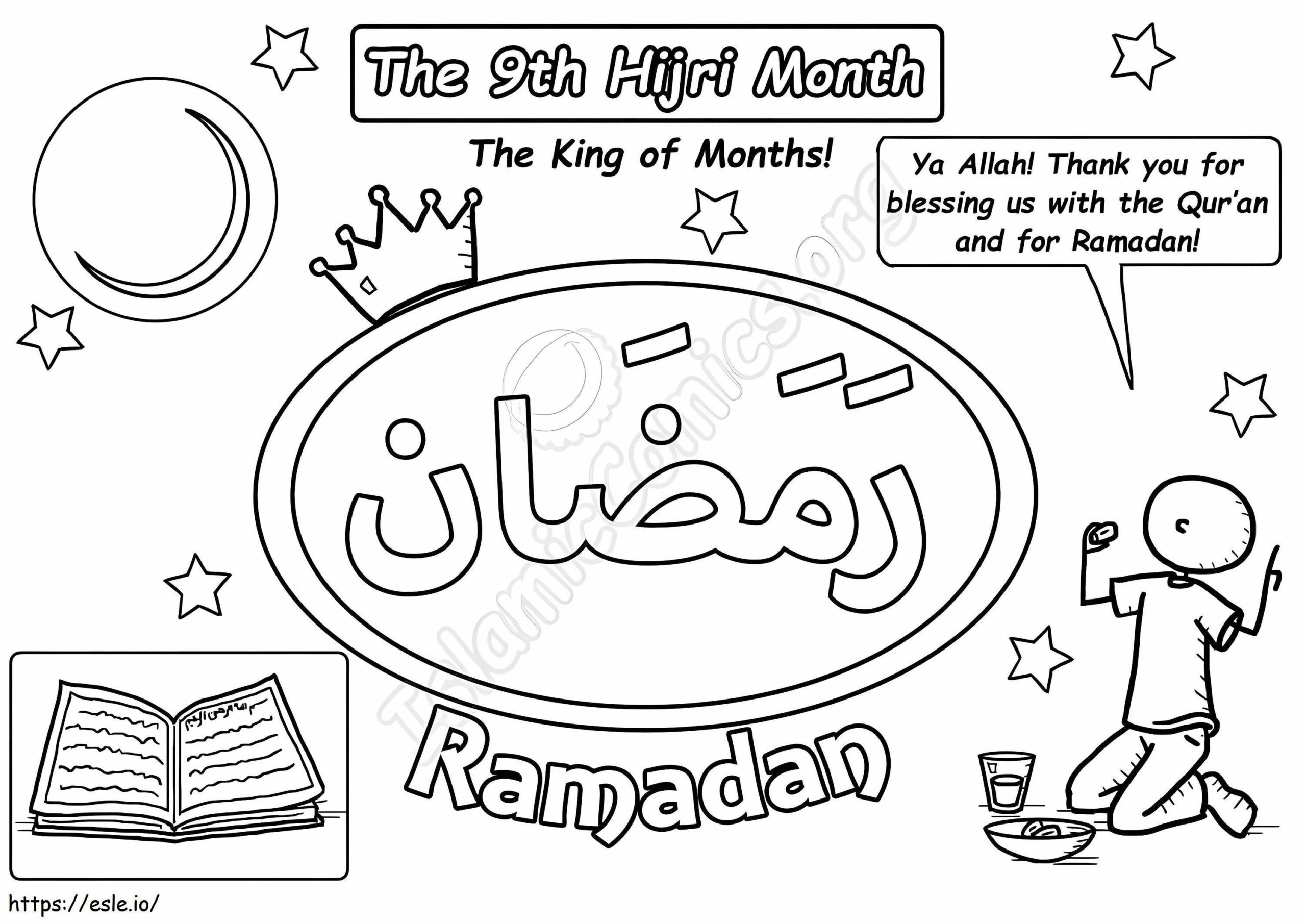
Introduction to Ramadan
Ramadan, the ninth month of the Islamic lunar calendar, holds profound importance for Muslims around the globe. It is a time dedicated to fasting, prayer, reflection, and community. As one of the Five Pillars of Islam, observing Ramadan is obligatory for all adult Muslims, making it a deeply ingrained practice that shapes the spiritual and social landscape of many communities. The relevance of Ramadan extends beyond mere fasting; it embodies a period of spiritual growth, empathy towards the less fortunate, and communal ties.
Key Practices During Ramadan
Fasting during Ramadan, or Sawm, from dawn until sunset is foundational to the month. Muslims abstain from food, drink, smoking, and marital relations during daylight hours. The fast is broken daily at sunset with a meal known as iftar, often started with dates and water, followed by a larger meal shared among family and friends.
Aside from fasting, increased prayer and recitation of the Quran are integral aspects of Ramadan. Muslims aim to complete the Quran throughout the month, fostering a deeper connection to their faith. Additionally, many engage in acts of charity, or Zakat, reinforcing the importance of supporting those in need.
Current Trends and Observations
In 2023, Ramadan is expected to commence in March, depending on the sighting of the moon. The period is marked by various cultural practices that reflect the diversity of the Muslim community. In the UK, public observances, such as communal iftars and charity drives, are increasingly popular, showcasing unity and inclusivity. In larger cities, local councils and interfaith groups are organising events to raise awareness and understanding about Ramadan, promoting dialogue between different faiths.
This year, the intersection of Ramadan with ongoing global issues, such as food insecurity exacerbated by economic challenges and climate change, underlines the relevance of Ramadan’s teachings on compassion and community support. Many organisations are mobilising efforts to provide for those affected by crises, illustrating a commitment to the community that forms the backdrop of Ramadan.
Conclusion: The Enduring Significance of Ramadan
As Ramadan approaches, it serves as a reminder of the importance of self-discipline, compassion, and community bonding. Fasting during this holy month calls on individuals to reflect on their lives and the broader world they inhabit. The anticipated sense of spiritual renewal and communal solidarity offers hope not only to Muslims but also to society as a whole, fostering understanding and acceptance amidst diversity. Ultimately, Ramadan remains a time for reflection, empathy, and the reaffirmation of faith for millions around the world.