The Importance of Wuthering Heights
Wuthering Heights, authored by Emily Brontë and first published in 1847, remains a cornerstone of English literature. Its complex characters, brooding themes of love and revenge, and unique narrative style render it a subject of discussion and analysis. The novel has left an indelible mark on literary history, influencing countless works and adaptations over the years.
Key Themes and Characters
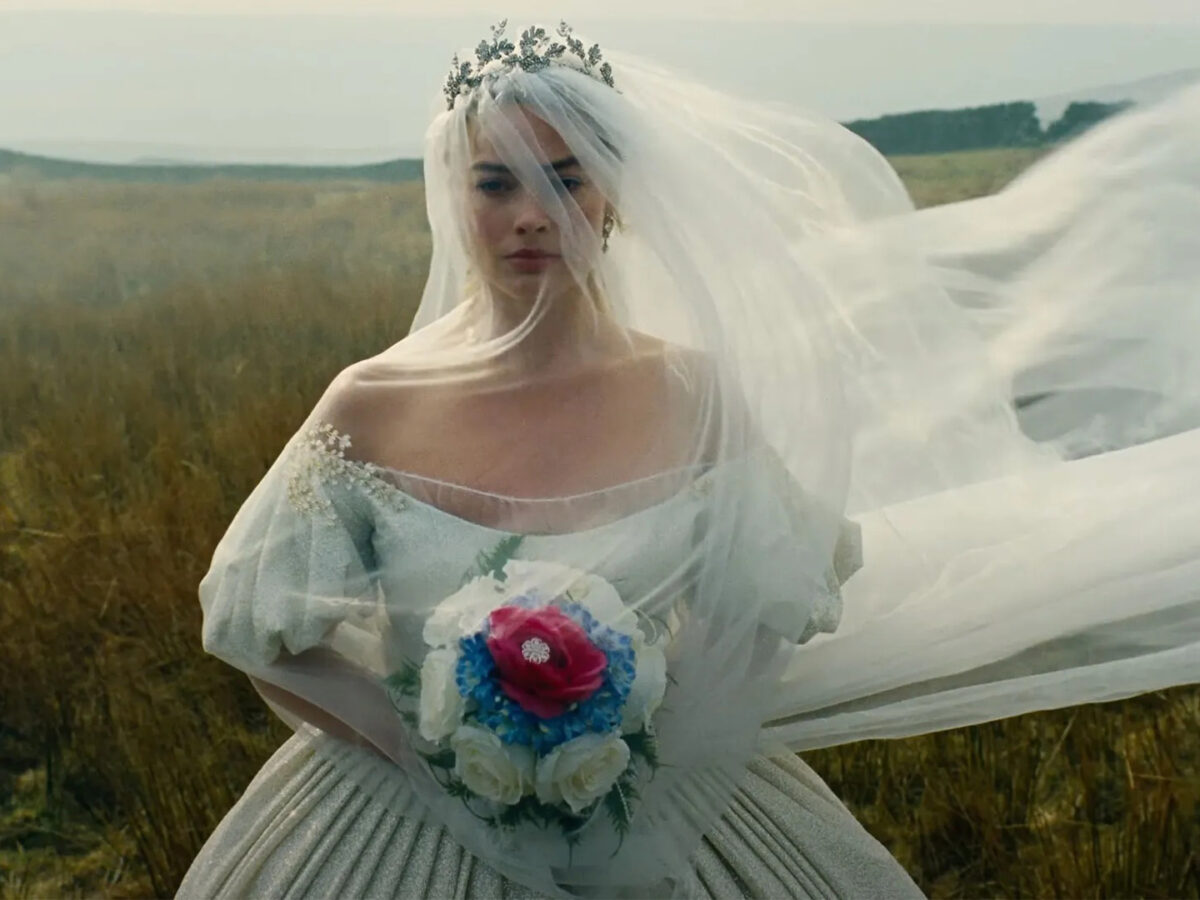
At its core, Wuthering Heights explores the tumultuous relationship between its central characters, Catherine Earnshaw and Heathcliff. Their passionate and destructive love story unfolds against the backdrop of the Yorkshire moors, a setting that serves as a character in its own right. The novel delves into themes of social class, isolation, and the supernatural, offering a glimpse into the darker aspects of human nature.
The dual narration by Mr. Lockwood and Nelly Dean allows readers to experience the story from multiple perspectives, enriching the tale’s complexity. Although initially met with mixed reviews, Wuthering Heights has since been recognised for its innovative structure and the raw emotional depth of its characters. Critics celebrate the novel’s exploration of the human psyche and the moral ambiguities presented within.
Recent Celebrations and Adaptations
In recent years, Wuthering Heights has seen a resurgence in popularity, particularly among younger audiences. Adaptations for theatre, film, and television have brought the story to new generations. Notably, a recent stage adaptation, directed by Emma Rice, received critical acclaim for its fresh interpretation and emotive resonance.
Moreover, the novel has inspired various artistic interpretations, from paintings to music, highlighting its widespread cultural impact. Educational institutions continue to include Wuthering Heights in curricula, underscoring its significance in understanding Gothic literature and its themes.
Conclusion
Wuthering Heights remains relevant today, encouraging readers to reflect on the complexities of love, vengeance, and the profound psychological landscapes we navigate as humans. As new adaptations and interpretations arise, the timelessness of Brontë’s work ensures that Wuthering Heights will continue to captivate and provoke thought among readers for generations to come. Its legacy as a classic Gothic novel endures, holding a vital place in the canon of English literature.