Introduction
Bristol Zoo, established in 1836, holds a significant place in the UK’s wildlife conservation efforts and offers a unique educational experience for visitors of all ages. As one of the oldest zoos in the world, it has played a vital role not only in conservation and breeding programmes but also in shaping public awareness about wildlife preservation. The recent developments surrounding the zoo’s future further emphasise its importance in the community and to biodiversity.
Recent Developments
Recently, Bristol Zoo announced plans to close its doors at its Clifton site in 2022, transitioning to a new location at the former Wild Place Project, set to reopen as a state-of-the-art wildlife park. This decision sparked discussions among conservationists, educators, and local residents about the future of wildlife education and conservation in the region. The new facility will focus on immersive habitats that reflect the natural environments of the species housed, along with enhanced educational exhibits.
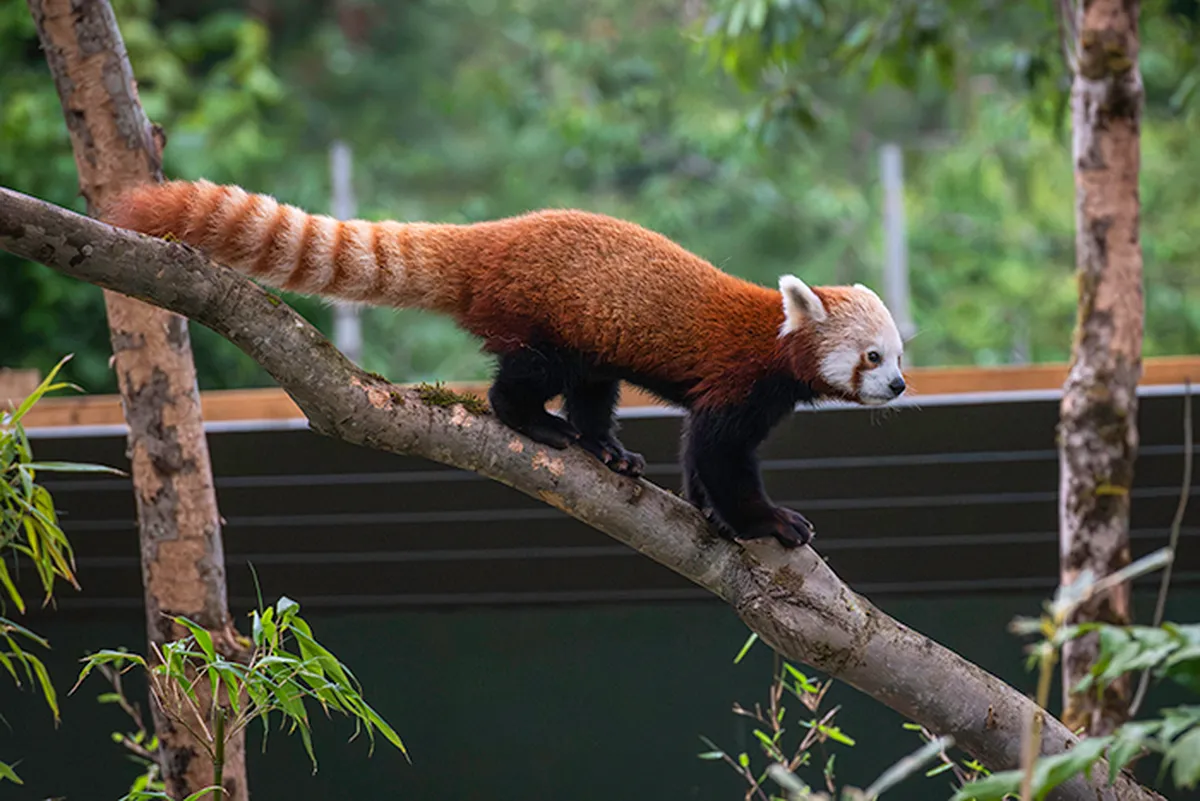
Bristol Zoo has been praised for its role in several successful breeding programmes, particularly for endangered species, such as the Western Lowland Gorilla and the Red Panda. Additionally, the zoo actively participates in global conservation initiatives, making significant contributions to environmental sustainability and animal welfare.
Community and Educational Role
The zoo is more than just an attraction; it serves as a vital educational resource, providing interactive learning opportunities about biodiversity and conservation. With hundreds of thousands of visitors each year, Bristol Zoo engages the public through workshops, school visits, and community events, striving to inspire future generations about the importance of wildlife care.
Conclusion
The evolution of Bristol Zoo reflects the changing attitudes toward animal conservation and public education, ensuring that it remains relevant in today’s environment-focused society. As it prepares for this new chapter, the significance of zoos as conservation centres and educational hubs will be reinforced. Bristol Zoo’s commitment to animal welfare and nature preservation continues to resonate throughout the local community and beyond. Looking forward, it is expected that the transition to the new wildlife park will not only enhance visitor experiences but also further cement Bristol Zoo’s position as a leader in conservation efforts within the UK.