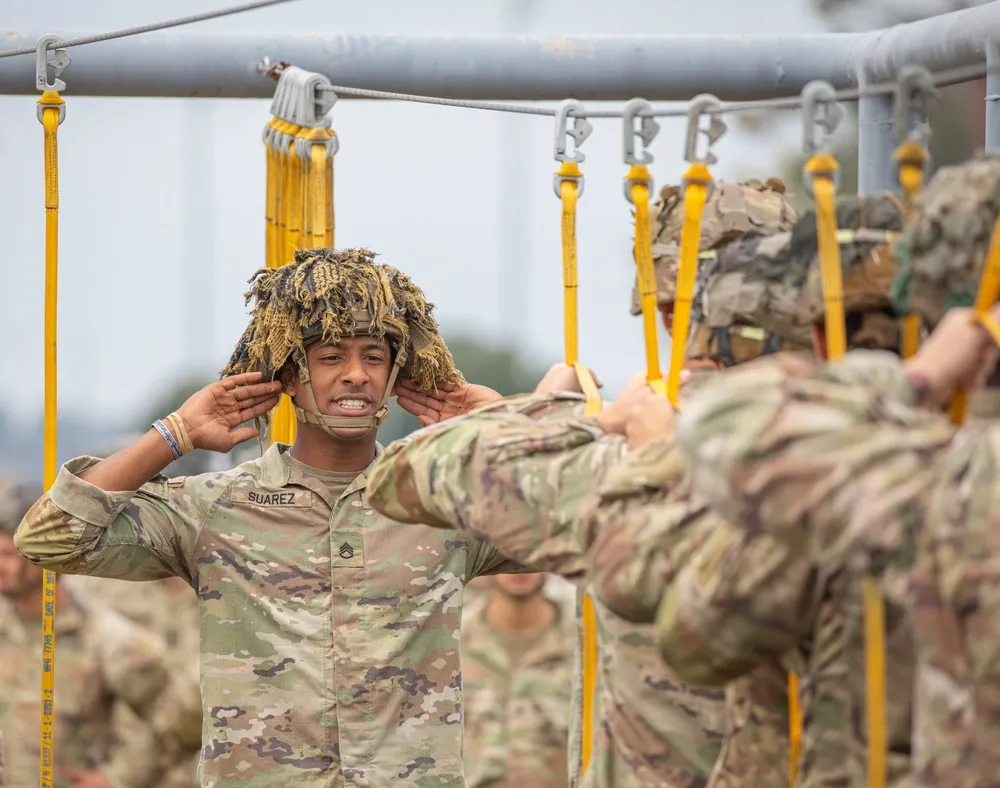
Who is involved
The 82nd Airborne Division, established in 1917, has a storied history of involvement in nearly every major U.S. conflict. Based at Fort Bragg, North Carolina, this elite military unit is renowned for its rapid deployment capabilities, particularly in high-risk situations. As of March 25, 2026, the division is preparing to deploy approximately 1,000 soldiers from its 1st Brigade Combat Team to the Middle East, a move that has significant implications for U.S. military operations in the region.
Prior to this development, the expectation was that U.S. military presence in the Middle East would remain stable, with a focus on diplomatic solutions to ongoing tensions, particularly with Iran. However, the situation has escalated, prompting the Pentagon to take decisive action. The 82nd Airborne Division is trained for rapid, high-risk missions, including parachuting into contested areas, and is capable of deploying within 18 hours. This readiness underscores the urgency of the current geopolitical climate.
The immediate effects of this deployment are multifaceted. For the soldiers involved, it represents a return to active duty in a high-stakes environment. The division contains around 18,000 paratroopers, with approximately 3,000 soldiers forming the Immediate Response Force (IRF), specifically designed for quick reaction to crises. The deployment of 1,000 troops from the 1st Brigade Combat Team signals a significant commitment to military engagement in the region, particularly in response to threats posed by Iran.
Expert voices in military strategy emphasize the importance of the 82nd Airborne’s capabilities. “The 82nd Airborne specializes in joint forcible entry operations, meaning it can parachute into hostile territory to seize key objectives,” noted a military analyst. This capability is crucial in a rapidly changing conflict landscape, where swift action can determine the outcome of engagements. The division’s history of rapid deployment and effectiveness in combat scenarios makes it a vital asset for U.S. military strategy.
Moreover, the decision to deploy these troops reflects broader strategic considerations. The U.S. military aims to deter aggression from Iran and reassure allies in the region. White House spokeswoman Anna Kelly stated, “President Trump always has all military options at his disposal,” highlighting the administration’s readiness to use military force if necessary. This deployment is part of a larger strategy to maintain stability and security in the Middle East.
As the situation evolves, the implications of this deployment will be closely monitored. The presence of U.S. troops in the region is likely to affect diplomatic relations with Iran and could escalate tensions further. Details remain unconfirmed regarding the specific objectives of the deployment and the duration of the troops’ stay in the Middle East.
In summary, the deployment of the 82nd Airborne Division marks a significant shift in U.S. military posture in the Middle East. With its rapid response capabilities and history of effective operations, the division is poised to play a critical role in addressing the challenges posed by regional threats. As events unfold, the focus will remain on the impact of this deployment on both military operations and diplomatic efforts in the region.