Boycotts Ahead of the Games
The 2026 Winter Paralympics, set to take place in Milan-Cortina, Italy, are already facing significant challenges as seven countries have announced they will boycott the opening ceremony. This protest is in response to the inclusion of athletes from Russia and Belarus, a decision that has sparked widespread controversy.
Among the countries boycotting the ceremony are the Czech Republic, Estonia, Finland, Latvia, Lithuania, Poland, and Ukraine. The UK government has confirmed that it will not send any representatives to the event, with a spokesperson stating, “We have been clear that the Russian and Belarusian states should not be represented in international sport while the barbaric full-scale invasion of Ukraine is ongoing.”
Participation and Expectations
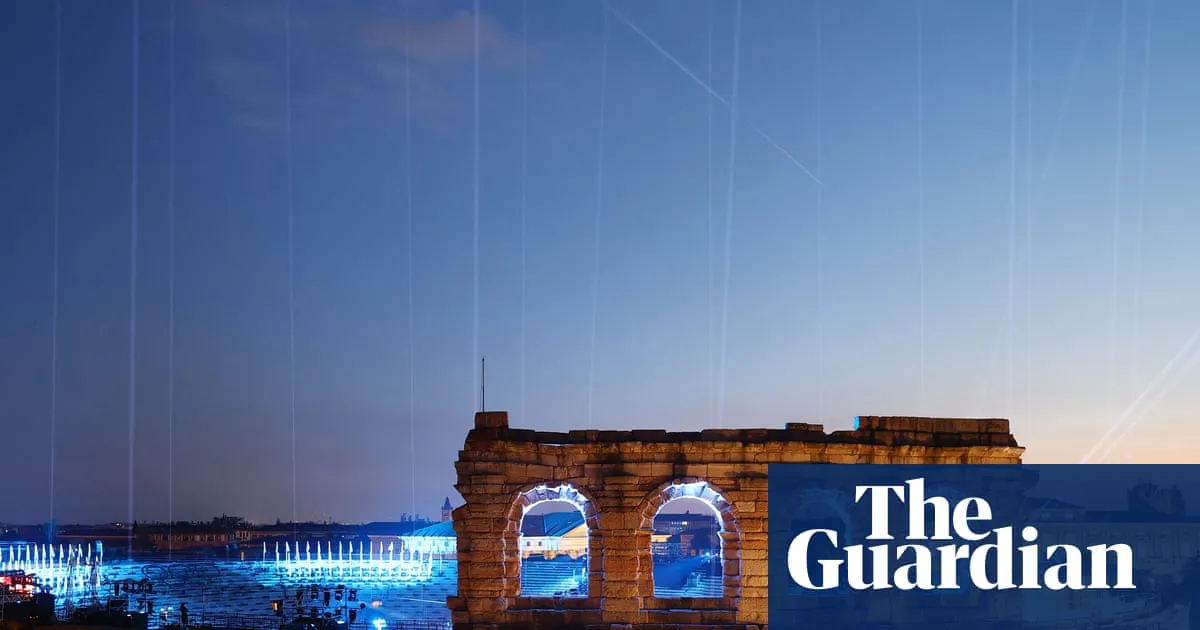
Despite the boycotts, the International Paralympic Committee (IPC) estimates that about 612 athletes from 56 countries are expected to compete in the Games. However, it is projected that fewer than 60% of the competing countries will send a full delegation to the Arena di Verona, raising concerns about the overall participation.
This year’s Winter Paralympics will mark the 50th anniversary of the event and will be the largest in terms of geographic scale, spanning from Milan to Cortina. Notably, this will be the first time since the Sochi 2014 Games that a Russian flag will be flown at a Paralympic event, with six athletes from Russia and four from Belarus set to compete under their own flags.
IPC’s Stance and Future Implications
The IPC lifted its partial ban on athletes from Russia and Belarus last year, allowing them to compete in the upcoming Games. IPC President Andrew Parsons emphasized the importance of the event, stating, “Our clear focus remains on supporting all stakeholders arriving and preparing to deliver the best Paralympic Winter Games. This is the only event of global reach that puts persons with disabilities centre stage is the Paralympic Games.”
However, the UK government has expressed strong opposition to the IPC’s decision, reiterating their stance against the participation of Russian and Belarusian athletes. As the geopolitical situation continues to evolve, the impact on the Games remains uncertain. Details remain unconfirmed regarding how these tensions will affect the overall participation and atmosphere at the event.